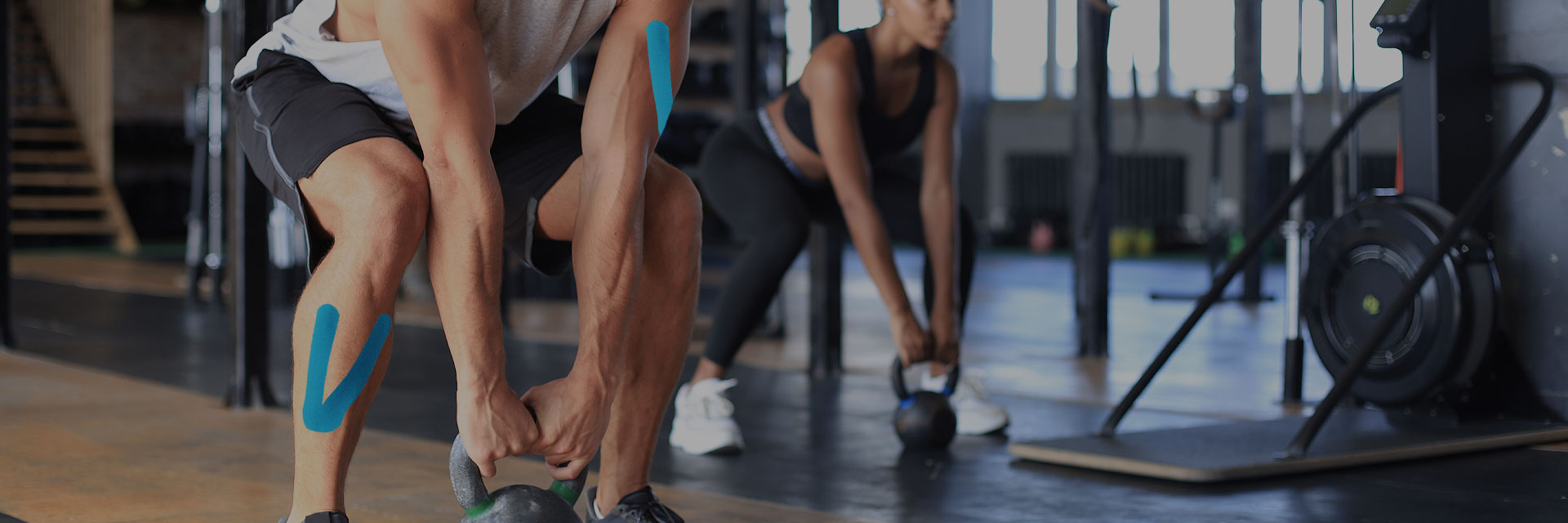
Waterproof kinesiology tape has become a staple in sports medicine, physical therapy, and rehabilitation science. Beyond its colorful appearance, this elastic therapeutic tape represents a sophisticated intersection of biomechanics, material science, and neuromuscular physiology. This article explores the technical foundations, material properties, clinical applications, and best practices for maximizing its effectiveness.
1. What Is Waterproof Kinesiology Tape?
Waterproof kinesiology tape is an elastic adhesive tape designed to mimic the properties of human skin. It is engineered to provide support and stability to muscles and joints without restricting range of motion. Unlike rigid athletic tape, kinesiology tape stretches longitudinally—typically up to 140–180% of its original length—allowing dynamic movement.
The “waterproof” characteristic refers to its ability to maintain adhesion and structural integrity under moisture exposure, including sweat, showers, and aquatic environments.
2. Material Composition and Engineering
2.1 Fabric Layer
Most high-quality kinesiology tapes are composed of:
- Cotton fibers: Provide breathability and comfort.
- Synthetic blends (e.g., nylon or polyester): Improve durability and water resistance.
The weave pattern is critical—it determines elasticity, recoil behavior, and tensile strength.
2.2 Adhesive System
- Typically uses medical-grade acrylic adhesive.
- Heat-activated: adhesion improves with body temperature.
- Applied in a wave or sinusoidal pattern to allow moisture escape and skin flexibility.
Waterproof variants enhance adhesive hydrophobicity, preventing breakdown during prolonged exposure to water.
2.3 Elastic Properties
- Elastic modulus is calibrated to approximate skin elasticity.
- Designed for anisotropic stretch (stretch primarily in one direction).
- Maintains consistent recoil force over repeated loading cycles.
3. Biomechanical and Physiological Mechanisms
3.1 Skin Lifting Effect
When applied with stretch, the tape recoils slightly, creating microscopic lifting of the skin. This:
- Increases interstitial space
- Reduces pressure on nociceptors (pain receptors)
- Enhances lymphatic drainage
3.2 Proprioceptive Feedback
The tape stimulates cutaneous mechanoreceptors, improving:
- Joint position awareness
- Neuromuscular coordination
- Movement efficiency
3.3 Circulatory Enhancement
By reducing localized pressure:
- Promotes venous return
- Facilitates lymphatic flow
- Reduces inflammation and edema
4. Waterproof Performance: Technical Considerations
4.1 Hydrophobic Adhesion
Waterproof kinesiology tape uses modified acrylic adhesives that:
- Resist hydrolysis
- Maintain bonding strength when wet
- Dry quickly without residue degradation
4.2 Breathability vs. Water Resistance Tradeoff
Engineering challenge:
- High breathability → better skin health
- High water resistance → stronger adhesion in wet conditions
Advanced tapes balance this using micro-perforations and layered adhesive structures.
4.3 Durability Metrics
Typical waterproof tape performance:
- Wear time: 3–7 days
- Water exposure tolerance: Multiple showers/swims
- Adhesion retention: ≥80% after 48 hours in humid conditions
5. Application Techniques and Tension Control
5.1 Tension Zones
Different therapeutic goals require varying stretch levels:
- 0–10% (paper-off tension): Lymphatic drainage
- 15–25%: Muscle facilitation/inhibition
- 50–75%: Ligament/tendon support
5.2 Directionality
- Origin → insertion: facilitates muscle activation
- Insertion → origin: reduces muscle overactivity
5.3 Anchor Points
Ends of the tape should always be applied with zero tension to prevent:
- Skin irritation
- Premature peeling
6. Clinical and Athletic Applications
6.1 Musculoskeletal Injuries
- Tendinopathies (e.g., Achilles, patellar)
- Muscle strains
- Ligament sprains
6.2 Postural Correction
Used to:
- Reinforce scapular positioning
- Reduce forward head posture
- Support spinal alignment
6.3 Edema and Lymphatic Conditions
Fan-shaped applications are used to:
- Improve lymphatic drainage
- Reduce swelling post-injury or surgery
6.4 Aquatic and Endurance Sports
Waterproof variants are particularly valuable for:
- Swimming
- Triathlons
- Long-distance running in humid climates
7. Skin Interaction and Safety
7.1 Dermatological Considerations
- Hypoallergenic adhesives reduce risk of contact dermatitis
- Skin should be clean, dry, and oil-free before application
7.2 Common Issues
- Skin irritation from excessive tension
- Blistering due to improper removal
- Reduced adhesion on hairy or oily skin
7.3 Removal Technique
- Remove slowly in the direction of hair growth
- Use oil or water to reduce adhesive grip if needed
8. Limitations and Evidence
While widely used, kinesiology tape has mixed scientific support:
- Strong evidence for short-term pain relief
- Moderate evidence for proprioceptive enhancement
- Limited evidence for long-term structural healing
Effectiveness often depends on:
- Application technique
- Condition being treated
- Individual variability
9. Best Practices for Optimal Results
- Apply at least 30 minutes before activity for adhesive activation
- Avoid overstretching to prevent skin irritation
- Round tape edges to reduce peeling
- Pat dry after water exposure instead of rubbing
10. Future Developments
Emerging innovations include:
- Smart tapes with embedded sensors for motion tracking
- Enhanced adhesives with bioresponsive properties
- Antimicrobial coatings for extended wear
Waterproof kinesiology tape is more than a supportive accessory—it is a technically engineered therapeutic tool grounded in biomechanics and material science. When properly applied, it offers a versatile solution for pain management, performance enhancement, and injury recovery, especially in environments where moisture exposure is unavoidable. Understanding its underlying principles allows practitioners and athletes to unlock its full potential.