86-0573-88960598 / Sales & Service Support
Email:fuluo@jxfuluo.com
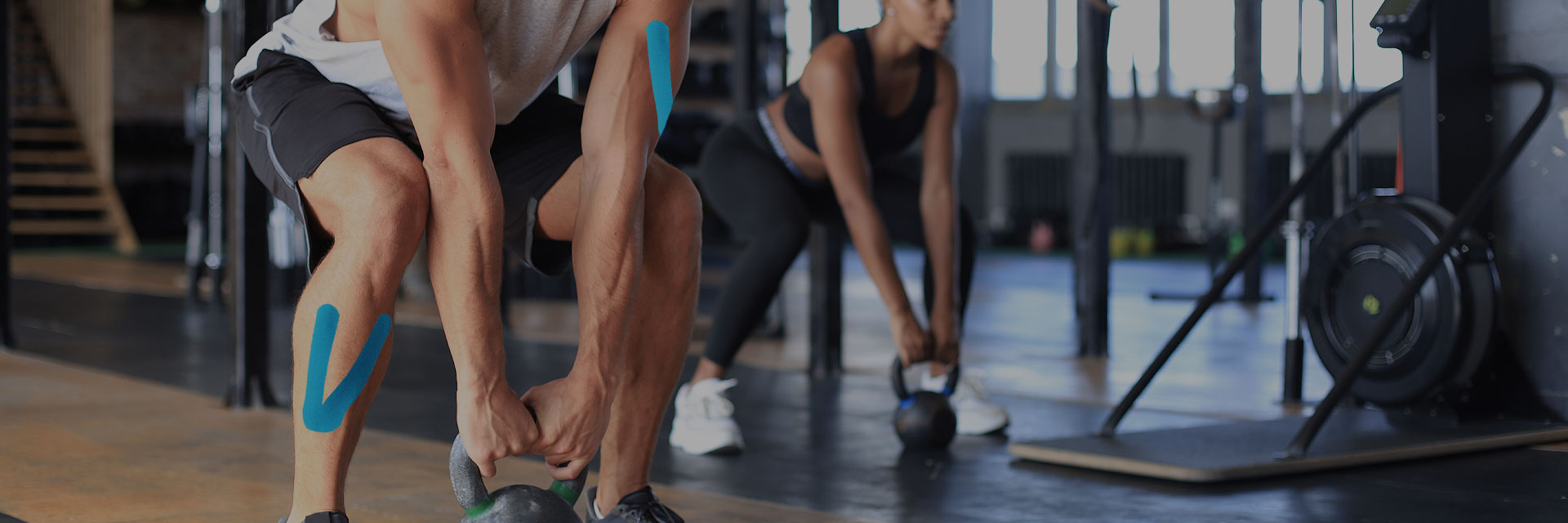
Medical adhesive jumbo rolls sit at the upstream of nearly every tape and dressing product used in hospitals, sports clinics, and home care settings worldwide. Understanding their substrate options, adhesive chemistries, converting tolerances, and regulatory requirements is essential for procurement managers, product developers, and OEM buyers looking to source with confidence.
A medical adhesive jumbo roll is a wide-format roll of substrate material — fabric, film, foam, or non-woven — coated on one or both faces with a pressure-sensitive adhesive (PSA) and wound onto a core for shipment. They serve as the "master rolls" from which finished tape products are slit, die-cut, or otherwise converted into retail and clinical widths.
Widths typically range from 300 mm to 1,500 mm and roll diameters from 300 mm to 800 mm, depending on substrate thickness and coating weight. Because one jumbo roll can yield thousands of finished products, the dimensional accuracy, coat-weight uniformity, and release-liner integrity of the roll directly determine the yield and consistency of downstream converting operations.
FULUO Medical's full range of medical roll materials spans six distinct product families, each engineered for a specific set of clinical or athletic applications.
The six primary jumbo roll types differ substantially in substrate, elasticity, adhesive system, and end-use environment. The table below summarises their defining technical parameters.
| Product Family | Substrate | Typical Elongation | Adhesive Type | Primary Application |
|---|---|---|---|---|
| Kinesiology Tape Jumbo Rolls | Cotton / nylon elastic fabric | 130–180% | Acrylic heat-activated (wave pattern) | Sports rehab, lymphatic support |
| Rigid Sports Tape Jumbo Rolls | Cotton/rayon rigid fabric | <10% | Zinc oxide or acrylic mass | Joint immobilisation, strapping |
| Elastic Adhesive Fabric Rolls | Woven elastic fabric | 50–100% | Natural rubber or acrylic | Compression wrapping, EAB bandaging |
| PU Film Adhesive Rolls | Polyurethane film (15–50 µm) | 500–700% | Acrylic solvent or hot-melt | Wound dressings, IV fixation, waterproof covers |
| PE Foam Electrode Rolls | Closed-cell PE foam | 20–40% | Conductive acrylic | ECG/TENS electrode attachment |
| Non-woven Adhesive Rolls | Spunbond / meltblown PP or viscose | 15–30% | Acrylic emulsion | Medical plasters, surgical dressings, IV fixation |
Kinesiology tape substrates are predominantly woven or knitted cotton-nylon blends. The elastic crimp of the yarns determines longitudinal elongation; transverse elongation is generally suppressed to provide directional lift on the skin. Yarn count, weave angle, and heat-set finishing all interact to set the final mechanical profile. Medical-grade fabrics must pass ISO 13934-1 tensile testing and demonstrate consistent elongation lot-to-lot within ±5%.
PU film substrates for wound dressings and fixation products must balance moisture-vapour transmission rate (MVTR) against mechanical integrity. Films in the 20–35 µm range offer MVTR values of 800–2,500 g/m²/24h, allowing wound exudate vapour to escape while keeping liquid contaminants out. Thickness uniformity across the web must be controlled to ±1 µm to prevent adhesive coat-weight variation during slot-die or knife-over-roll coating.
Spunbond polypropylene offers high tensile strength at low basis weights (20–60 g/m²) and accepts acrylic adhesives well. Viscose-based non-wovens improve skin-feel and are preferred for longer-wear dressings. Composite structures — a spunbond face bonded to a meltblown barrier — are used where fluid strike-through resistance is required alongside breathability.
| Adhesive Type | Peel Strength (N/25mm) | Skin Compatibility | Moisture Resistance | Typical Coat Weight (g/m²) | Best Suited For |
|---|---|---|---|---|---|
| Acrylic (solvent-based) | 3–8 | Good — low sensitisation | Excellent | 30–60 | PU film, kinesiology tape |
| Acrylic (water-based emulsion) | 2–5 | Excellent | Moderate | 20–45 | Non-woven plasters |
| Acrylic (hot-melt) | 4–10 | Good | Good | 30–80 | Elastic fabric, fixation tapes |
| Zinc oxide (ZnO) mass | 8–18 | Moderate — antimicrobial benefit | Poor–Moderate | 100–200 | Rigid sports tape, athletic strapping |
| Natural rubber | 5–15 | Low — latex allergy risk | Moderate | 50–120 | Elastic adhesive bandages |
| Silicone | 0.5–2 | Excellent — repositionable | Good | 25–50 | Sensitive skin, paediatric fixation |
The most significant shift in medical adhesive formulation over the past decade has been the industry-wide move from solvent-borne to water-based and hot-melt acrylic systems. Driven by tightening VOC regulations and sustainability goals, water-based emulsion adhesives now dominate non-woven plaster production. For kinesiology tape, however, the wave-embossed, heat-activated acrylic pattern remains the standard because it simultaneously controls coat-weight distribution and creates the characteristic "waviness" visible on skin after application.
FULUO's manufacturing capability covers the full converting chain: adhesive coating, laminating, slitting, rewinding, and die-cutting. Understanding each stage helps buyers specify their requirements clearly.
Slot-die coating delivers the most uniform coat weight (CV <2%) and is preferred for PU film products and thin non-wovens. Knife-over-roll (comma bar) is robust and cost-effective for heavier substrates such as elastic fabrics, tolerating minor thickness variations in the incoming web. Transfer coating deposits adhesive onto a release liner first, then laminates to the substrate — essential when the substrate cannot tolerate the heat or solvents of direct coating.
Wound dressing constructions often require co-laminating an adhesive-coated PU film to an absorbent pad and a release paper in a single pass. Nip pressure, temperature, and line speed must be precisely balanced to avoid air entrapment or gel-pad distortion.
Jumbo rolls are slit from master width to customer-specified widths using razor, score, or shear slitting. Slit-edge quality directly affects the clean-cut behaviour of finished tape products and the absence of adhesive ooze (also called "bleed") on the roll face. Tension control during rewinding governs roll hardness, which in turn affects the ease of unwind on the customer's converting line.
Medical adhesive rolls sold into regulated markets must comply with a layered set of international standards. The table below maps the key standards to the relevant product categories.
| Standard / Regulation | Scope | Applicable Roll Types |
|---|---|---|
| ISO 13485:2016 | Quality management system for medical devices | All |
| EU MDR 2017/745 | Market access for medical devices in Europe (CE marking) | All classified as Class I or Class IIa |
| FDA 21 CFR Part 880 | US FDA classification for general hospital & personal-use devices | Wound dressing rolls, fixation tapes |
| ISO 10993 series | Biological evaluation of medical devices (cytotoxicity, sensitisation, irritation) | All skin-contact rolls |
| EN 1896 / EN 14079 | Non-woven fabric performance for medical uses | Non-woven adhesive rolls |
| ISO 7854 / ISO 1421 | Coated fabrics — flex durability, tensile, tear | PU film, elastic fabric rolls |
| EN 14683 / ASTM F2100 | Microbial barrier (if sterile or sterile-barrier packaged) | Sterile wound dressing rolls |
FULUO Medical holds multiple system certifications, including ISO 13485, enabling it to supply OEM customers whose finished products require CE marking or FDA 510(k) registration. The company's in-house quality team runs more than ten full-time inspectors performing microbiological testing, environmental monitoring, and physical-chemical performance verification on every production lot.
Kinesiology tape and rigid sports tape rolls require exceptional sweat resistance and prolonged skin adhesion — often 3–5 days of continuous wear. Acrylic adhesives with hydrophobic modifier formulations maintain peel strength above 3 N/25mm even after 20 minutes of immersion. For more, see FULUO's dedicated sports application overview.
PU film and non-woven rolls used as wound dressing substrates must demonstrate non-adherence to granulation tissue while maintaining a moist healing environment. Clinically, MVTR between 1,000–2,000 g/m²/24h has been associated with optimal healing rates for partial-thickness wounds. Sterile-barrier packaging is required if the roll is supplied as a finished dressing product. See the surgery application page for clinical context.
Rolls destined for consumer plasters and home wound care require gentler, repositionable adhesives — typically low-peel acrylic emulsions or silicone — to avoid skin trauma on removal, particularly for elderly patients with fragile skin. The personal care section outlines the product range suited to this segment.
Beyond standard roll formats, FULUO's OEM customisation service allows customers to specify:
Custom roll widths from 50 mm to 1,500 mm
Specific adhesive coat weights and patterns (wave, dot, full-coat)
Substrate combinations (film + foam laminate, film + non-woven)
Private-label or branded release liner printing
Custom core diameters (25 mm, 38 mm, 76 mm, 152 mm)
EO sterilisation coordination for finished dressing rolls
With a production capacity exceeding 4 million square metres of adhesive coating per year and 160 employees, FULUO can accommodate both development quantities (minimum 500 kg) and high-volume production runs efficiently.

| # | Question | Why It Matters |
|---|---|---|
| 1 | Is the facility ISO 13485 certified? Can certificates be verified? | Validates a documented quality management system |
| 2 | What ISO 10993 biocompatibility data exists for the adhesive and substrate? | Required for regulatory submissions in most markets |
| 3 | What is the coat-weight specification and what is the measurement frequency? | Ensures consistent clinical performance batch to batch |
| 4 | What are the dimensional tolerances on roll width and slit accuracy? | Affects converting yield on the customer's own lines |
| 5 | What accelerated ageing / shelf-life data is available? | Required for product labelling and regulatory compliance |
| 6 | Is the adhesive latex-free and solvent-free (if required)? | Critical for sensitive-skin segments and EU MDR compliance |
| 7 | What is the minimum order quantity and lead time for custom specifications? | Affects inventory planning and time-to-market |
The global medical tape and adhesive dressing market continues to expand, driven by an ageing global population, rising chronic wound prevalence, and growing sports medicine participation. Within the upstream supply chain, two structural trends are reshaping the jumbo roll segment:
Shift to sustainable substrates. Bio-based PU films derived from castor oil, recycled-content non-wovens, and solvent-free hot-melt adhesive systems are transitioning from pilot to commercial scale. Buyers are increasingly requesting Environmental Product Declarations (EPDs) alongside technical data sheets.
Vertical integration. OEM tape converters are consolidating supply by sourcing from manufacturers like FULUO who combine adhesive coating, laminating, and converting under one roof. This reduces inter-supplier quality hand-offs and shortens development cycles for new product configurations. FULUO's position as both a roll material supplier and a finished product manufacturer reflects this integrated model.
Ready to specify or sample medical adhesive jumbo rolls for your converting operation?
Contact FULUO Medical Request OEM Customisation


