86-0573-88960598 / Sales & Service Support
Email:fuluo@jxfuluo.com
Plastic medical tape — also referred to as plastic surgical tape or PE medical tape — is an adhesive tape with a thin polyethylene (PE) or polyvinyl chloride (PVC) film backing coated with a pressure-sensitive medical-grade adhesive. Its hallmark features are transparency, microporous breathability, and ease of tearing in both the longitudinal and transverse directions without scissors.
Unlike woven cloth or paper tapes, the plastic film backing creates a smooth, water-resistant surface that repels liquids while the microperforations allow moisture vapor to escape from the skin, dramatically reducing maceration risk during extended wear.
The most common backing materials are low-density polyethylene (LDPE) and medical-grade PVC. LDPE offers superior conformability and lower risk of skin trauma on removal, while PVC provides higher tensile strength for demanding applications such as anchoring bulky dressings or heavy drainage tubes.
Modern plastic medical tapes predominantly use acrylic pressure-sensitive adhesives (PSA). Acrylic PSAs are preferred over rubber-based formulations because they are inherently latex-free, exhibit excellent long-term adhesion stability, and are less likely to cause allergic contact dermatitis. The adhesive is applied at a controlled coat weight — typically 25–45 g/m² — to provide reliable bonding to skin, tubing, and secondary dressings without leaving residue on removal.
A silicone-coated release liner protects the adhesive during storage and dispensing. High-quality liners are manufactured to tight thickness tolerances to ensure consistent unwind performance in clinical environments, even when handled with gloves.
Jiaxing Fuluo Medical Supplies Co., Ltd offers plastic medical tape in a comprehensive range of widths and lengths to suit every clinical requirement. All specifications and packaging configurations can be customized upon request.
| Size (Width × Length) | Rolls per Box | Boxes per Carton | Primary Application |
|---|---|---|---|
| 1.25 cm × 5 yd | 24 rolls | 30 boxes | Narrow-area fixation, finger dressings |
| 2.5 cm × 5 yd | 12 rolls | 30 boxes | Standard IV/catheter securement |
| 5 cm × 5 yd | 6 rolls | 30 boxes | Mid-size wound dressing fixation |
| 7.5 cm × 5 yd | 6 rolls | 30 boxes | Larger dressings, abdominal pads |
| 10 cm × 5 yd | 6 rolls | 30 boxes | Broad surface, surgical wound cover |
| 1.25 cm × 10 yd | 24 rolls | 30 boxes | Extended-use, high-volume wards |
| 2.5 cm × 10 yd | 12 rolls | 30 boxes | Long-duration catheter securement |
| 5 cm × 10 yd | 6 rolls | 30 boxes | Post-surgical monitoring, ICU use |
| 7.5 cm × 10 yd | 6 rolls | 30 boxes | Orthopaedic and bulky dressings |
| 10 cm × 10 yd | 6 rolls | 30 boxes | Large-area wound management |
Custom widths, lengths, core diameters, and private-label packaging are available through Fuluo's customization service.

| Property | Typical Value / Standard | Clinical Relevance |
|---|---|---|
| Tensile Strength | ≥ 20 N / 25 mm | Maintains integrity during patient movement |
| Peel Adhesion (to skin) | 0.3 – 0.6 N / cm | Secures dressings without epidermal stripping |
| Moisture Vapor Transmission Rate (MVTR) | ≥ 500 g/m²/24 h | Reduces maceration; maintains skin integrity |
| Water Resistance | Maintains adhesion after 1 h immersion | Suitable for bathing, hand-washing, high-humidity wards |
| Elongation at Break | ≥ 200% | Conforms to joints and curved anatomy |
| Latex Content | Latex-free | Safe for latex-sensitive patients and staff |
| Bi-directional Tear | Hand-tearable (longitudinal & transverse) | Enables quick sizing without scissors; glove-compatible |
| Transparency | Optical clarity ≥ 85% | Allows wound-site inspection without removal |
The versatility of plastic surgical tape makes it indispensable across a wide spectrum of clinical environments. Below are the primary use cases:
Anchoring gauze pads, non-woven dressings, and foam wound covers to periwound skin. The tape's conformability ensures edge sealing on curved body surfaces — reducing the risk of bacterial ingress while the MVTR maintains an aerobic environment that supports natural healing.
Peripheral IV cannulae, central venous catheters, and urinary catheters all require reliable securement to prevent accidental dislodgement. The narrow 1.25 cm and 2.5 cm widths are ideal for chevron-style taping techniques around hub connectors and tubing. For more specialized wound management, explore Fuluo's range of wound dressings.
Following surgical procedures, plastic tape secures primary closure strips and covers incision sites while allowing inspection of wound color and exudate — critical early indicators of infection or dehiscence. The transparent film eliminates the need to disturb the wound unnecessarily.
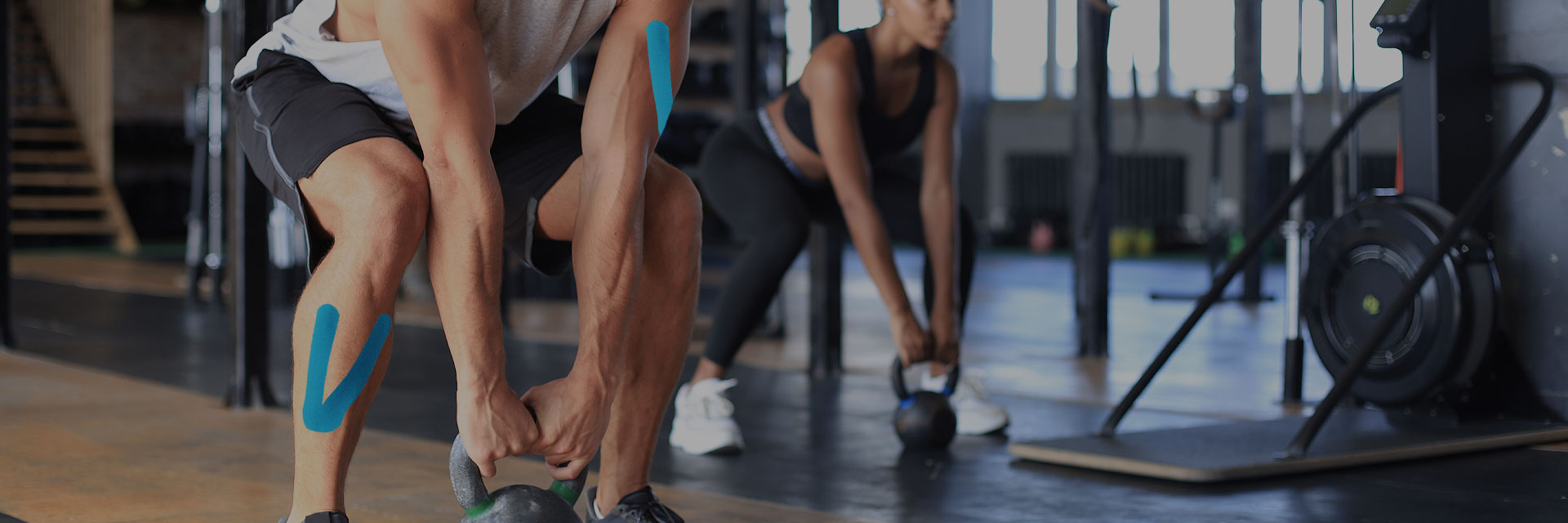
In sports settings, plastic medical tape is applied prophylactically to friction-prone areas such as heels and metatarsal heads to prevent blisters, as well as to stabilize minor sprains. When combined with kinesiology tape, it creates a layered protection system for high-performance athletes.
For personal care and home nursing, the tape's gentle removal and hypoallergenic adhesive make it suitable for elderly patients with thin or fragile skin. It is equally well-suited for securing dressings on children where tolerability and ease of use are paramount.
| Type | Backing | Breathability | Water Resistance | Transparency | Best For |
|---|---|---|---|---|---|
| Plastic (PE/PVC) | Polyethylene or PVC film | Moderate (microporous) | High | Yes | IV securement, surgical wounds, wet environments |
| Paper | Microporous paper | High | Low | No | Fragile skin, short-term dressing fixation |
| Foam | Polyurethane foam | High | Moderate | No | Cushioning, pressure relief, exudate management |
| Cloth | Woven or non-woven fabric | Moderate–High | Low–Moderate | No | Heavy-duty fixation, orthopaedics |
| Silk | Rayon / Acetate | Moderate | Low | No | Sensitive skin, lightweight fixation |
| Fabric | Non-woven fabric | High | Moderate | No | General wound care, flexible joints |
At Jiaxing Fuluo Medical Supplies Co., Ltd, every roll of plastic medical tape is manufactured under a rigorous quality management system. Fuluo holds internationally recognized certifications that validate its commitment to product safety and consistency. Procurement teams can review the full certification documentation on the System Certification page.
| Standard / Certification | Scope |
|---|---|
| ISO 13485 | Medical device quality management system |
| CE Marking (MDD / MDR) | European market conformity for medical devices |
| FDA 510(k) Clearance Pathway | US market — Class I / II medical adhesive tape |
| ISO 10993 | Biological evaluation — biocompatibility and cytotoxicity |
| ASTM D3330 | Peel adhesion test for pressure-sensitive tapes |
| Latex-Free Certification | Safe for latex-sensitive individuals |
Fuluo's Quality Control processes include incoming raw material inspection, in-process coating weight verification, peel adhesion testing on each production batch, and finished-goods retention sampling. The company's Manufacturing Ability encompasses advanced coating lines capable of producing millions of meters of medical tape per year, enabling reliable supply for large-volume hospital tenders and international distributors.
Choosing the most appropriate medical plaster tape depends on multiple patient and environmental factors. Use the decision guide below as a starting point:
| Clinical Scenario | Recommended Tape | Rationale |
|---|---|---|
| IV securement in adult ward | Plastic tape 2.5 cm × 5 yd | Transparent for inspection; water-resistant for hand-washing |
| Post-surgical incision cover | Plastic tape 5–10 cm × 10 yd | Wide coverage, wound visibility, secure long-term adhesion |
| Elderly / fragile skin | Silicone or paper tape | Lower peel force reduces epidermal stripping risk |
| High-humidity / bathing environment | Plastic tape (PE film) | Water resistance superior to cloth or paper alternatives |
| Sports blister prevention | Plastic tape 1.25–2.5 cm | Thin profile; conforms to friction-prone areas |
| Repeated dressing changes | Silicone or foam tape | Minimal adhesion trauma on multiple removal cycles |
Founded with a philosophy that "technological innovation and product quality are the soul of the enterprise," Jiaxing Fuluo Medical Supplies Co., Ltd has grown into a trusted manufacturer and exporter of medical adhesive tapes serving hospitals, distributors, and retailers across multiple continents. Key advantages include:
Ready to source high-quality plastic medical tape for your hospital, clinic, or distribution network? Contact the Jiaxing Fuluo team for samples, pricing, and customization options.


